an ode to the split diopter
the thing about split diopters is people either love 'em or hate 'em, and i'm on the side of loving them. the enemy seems to find them hokey and visually jarring (why don't they just use deep focus1 or a focus pull2 blablabla) and i won't disagree in certain cases, but that doesn't stop me from thinking that those very "disadvantages" can be used in a way that makes narrative sense, thinking they're technically very cool, or having fun spotting them while watching movies.
what is a split diopter?
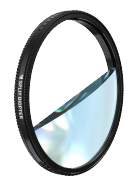 a split diopter lens is a half piece of convex glass that you attach to the main lens of a camera. this makes one half of the lens nearsighted and the other half of the lens farsighted, similar to a pair of bifocal glasses. the split diopter lens is what focuses on the foreground.
what separates split diopter shots from the average deep focus shot is that they show the area between the two subjects out of focus, creating a particularly harsh blur line right down the center. this blur line is usually what people find rather jarring, but it can be hidden pretty well with the help of lines in your shot composition or completely empty middle sections. it's also far easier to hide the blur line in scenes shot in the dark.
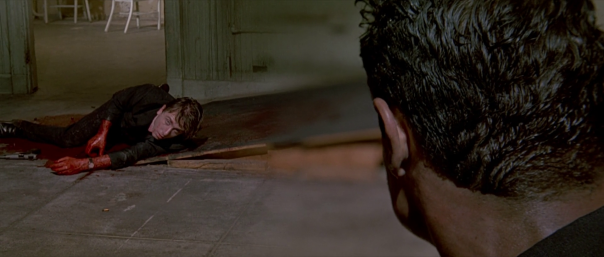
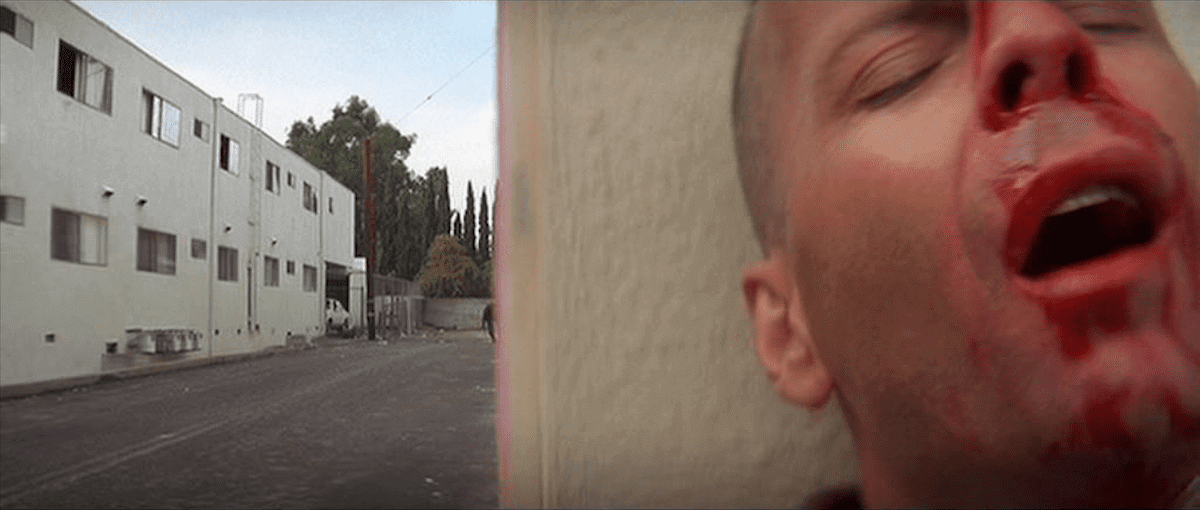
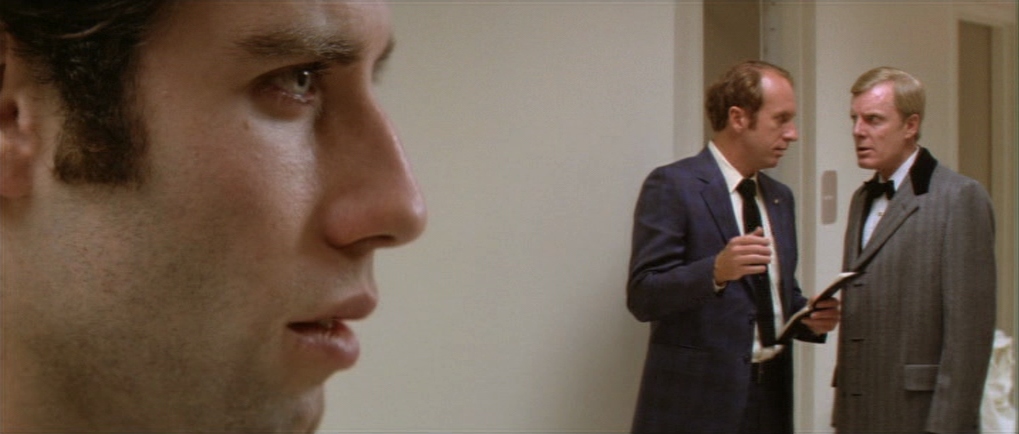
in the set of images above, you'll see the blur line at its harshest in the shot from reservoir dogs, the blur line well hidden in the shot from pulp fiction, and the blur line practically nonexistent in the shot from blow out.
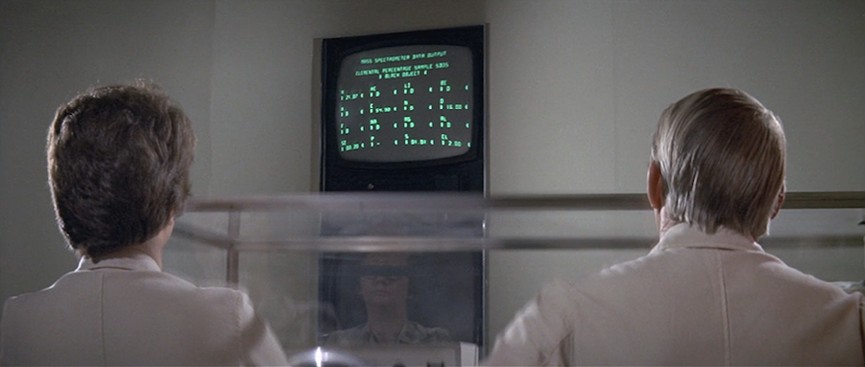
there is also the rare double split diopter shot, which has three different areas of a single shot in focus, something robert wise was pretty fond of in the andromeda strain (i read about the movie having over 200 split diopter shots — a possibly excessive amount rivaling that of star trek: the motion picture) you can see the blur lines by the shoulders and the metal railing!
why use the split diopter?
the usage of split diopters was popularized in the 70s, though it stuck around well into the 80s. to many, the look feels rather dated and most modern uses of the split diopter are more of a callback or easter egg than anything else. plus, studios these days are more likely to just digitally composite a shot that would require multiple planes of focus3 than rely on good 'ol analog camera tricks.
although it is an efficient way to achieve a sort of deep focus without elaborate lighting setups, i think the power of the split diopter comes from its ability to enhance a shot's visual storytelling in multiple ways and add a pretty unique flair to it while doing so. the heavy blur and discord of two subjects at two different distances both being in focus (eyes don't work that way in real life; that's another reason it feels weird to look at) is part of its charm!
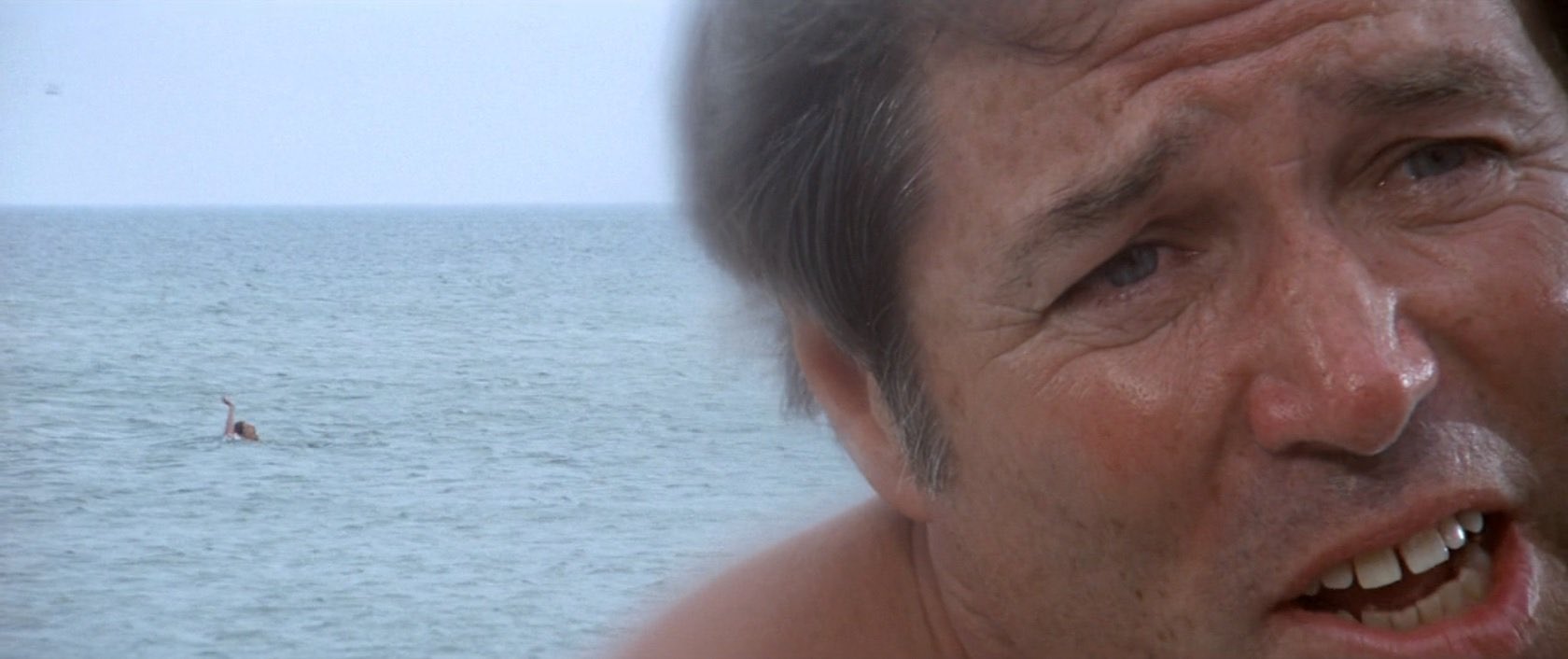
because the split diopter has (a minimum of) two different subjects in focus, it leads viewers to feel distracted, their eyes switching between multiple objects of interest on screen. while watching this particular scene, it's very likely you'll try to focus on both what the beachgoer is talking about and what is happening to the swimmer in the background (especially once she starts screaming) at the same time. this visual stress is something the split diopter shot kind of forces you into and evokes the same sort of divided attention protagonist martin brody has, as this scene from jaws is shot through his point of view.
split diopter shots often create a sort of claustrophobic and tense atmosphere because your eyes are looking at way more things than it naturally would. it can feel disorienting and uncanny, which makes it especially effective in horrors and thrillers, two genres that encourage its viewers to constantly feel nervous. it's also pretty efficient in helping viewers get into the headspace of a character, frequently used to show a character's reaction to something happening in either the foreground or the background. director brian de palma describes it as "juxtaposing visual information".
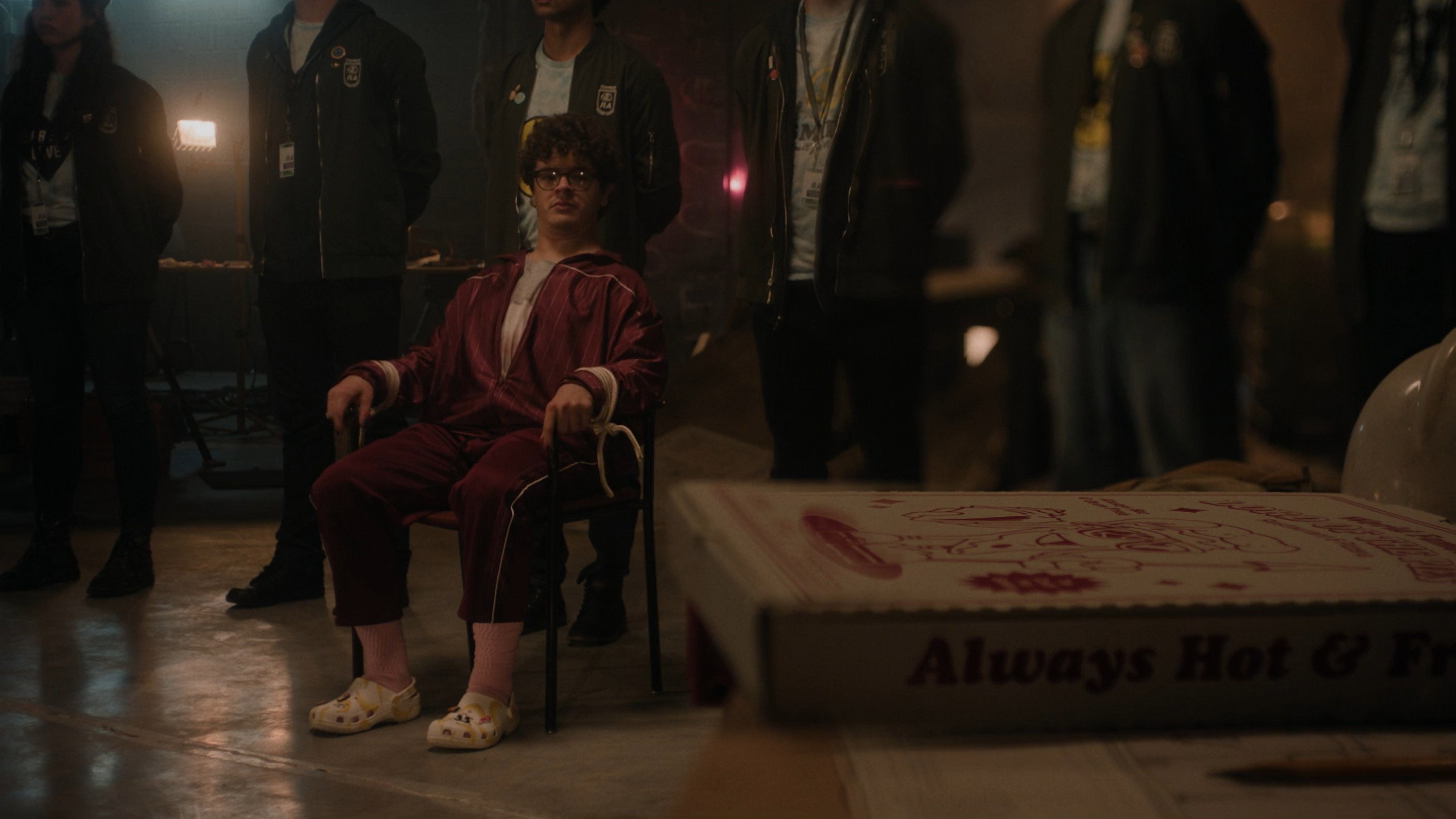
of course, there are tons of different ways to use a split diopter to play around with the relationship between foreground and background aside from the few ways i described, but sometimes it's just for fun (and that's okay!) like in this scene from pizza movie.
my favorite split diopter shot
now that you and i both know what a split diopter is and why or how it's utilized, allow me to talk about my all-time favorite use of a split diopter! i totally understand why some people think they can be unnecessary, but i promise this one is both really intentional and so cool on a technical level it's almost show-offy. a drum roll, please, for the amazing...
...dahlberg scene from all the president's men (1976) dir. alan j. pakula!
although this movie is peppered with lots of great split diopter shots , i think this particular scene is such a treat for so many reasons. not only is it a six minute long oner4 (you can even catch redford messing up his lines a little, however my king plays it off very naturally) but it also continuously and very slowly pushes in until it becomes a close-up. this means that the crew had to gradually adjust the split diopter on the camera lens to maintain the focus on both sides the whole six minutes they were shooting. gordon willis, the film's dp, achieved this by creating a special rig for the split diopter to be slid in and out of the frame seamlessly. god, i love the process of art.
now, split diopters are nothing new, but we used them in a fairly outrageous fashion. zoom shots, for instance, as well as pans, etc. the people at panavision were kind enough to build a 360-degree rotating diopter frame that enabled us to slide the additional elements in and out at any given angle—and in conjunction with a moving camera. the splits or halves were made especially without framework so they could be moved across the shot without incumbrance. a full series of lenses was used on the film and the stops ranged from t/1.2 down to t/11. the diopters were applied generally in the range of t/4.5.1 had a great deal of fun on the splits, especially the moving ones, and the system was extremely helpful when the requirements were there.— gordon willis, for american cinematographer
as for why it works so well narratively, it's pretty similar to the jaws split diopter shot i talked about earlier. it once again forces the viewer to divide their attention between both woodward (redford's character) and the newsroom background, kind of recreating the feeling of being in a busy place while trying to focus on something. at one point, you'll notice woodward even covers his left ear the louder the people in the background get.
the more information woodward collects from his phone call and the more anxious he gets about just how high up the watergate scandal goes, the more intense the zoom in becomes. the split diopter is lost entirely and all we're left with is an extreme close-up of woodward's face, representing both his focus on the phone calls and highlighting that claustrophobic feeling i mentioned earlier. even the sound coming from the background peters out. the shot composition just feels extremely cramped the whole way through. really great stuff. oh, and did you notice how they hid the split diopter blur line using the column?
i hope i was able to shed some light on one of my favorite camera techniques and that you too, do the leonardo di caprio pointing meme, when you catch your own split diopters in the wild — they're uncommon these days but still more common than you think!
this is a submission to this month's bear carnival, "your favorite __ in your niche hobby" hosted by kami!
deep focus is a camera technique that allows everything in a frame (foreground, middle ground, background) stay in focus through the use of a small aperture and a lot of light. you'll find the best examples of this in citizen kane↩
focus pulling is a camera technique that involves a focus puller manually adjusting the camera lens to keep whatever subjects need to stay in focus, well, in focus, during a continuous shot. this goes kind of hand in hand with rack focusing.↩
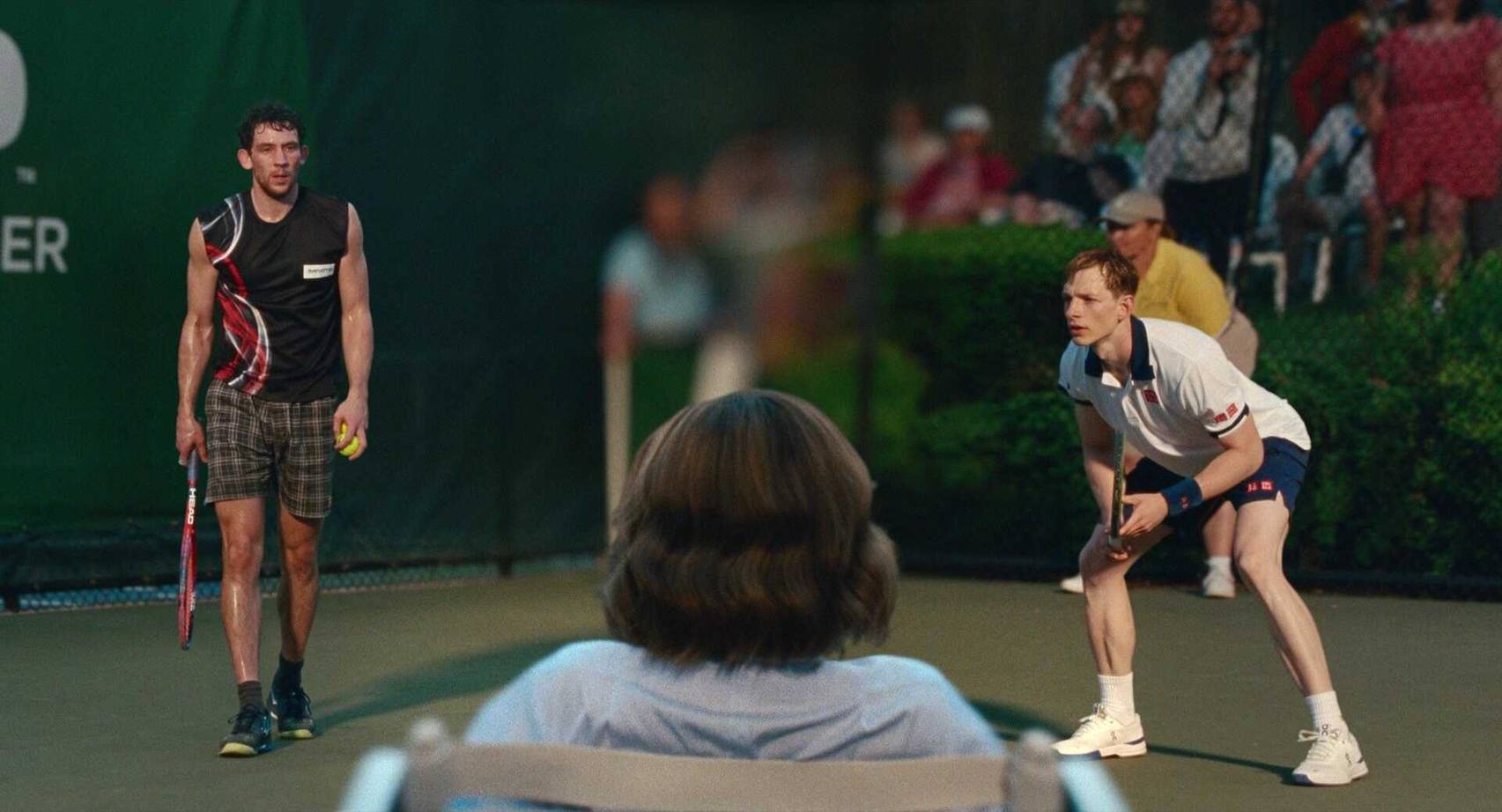
the challengers double split diopter is a faux one, but it still rules↩
a term for long shots↩